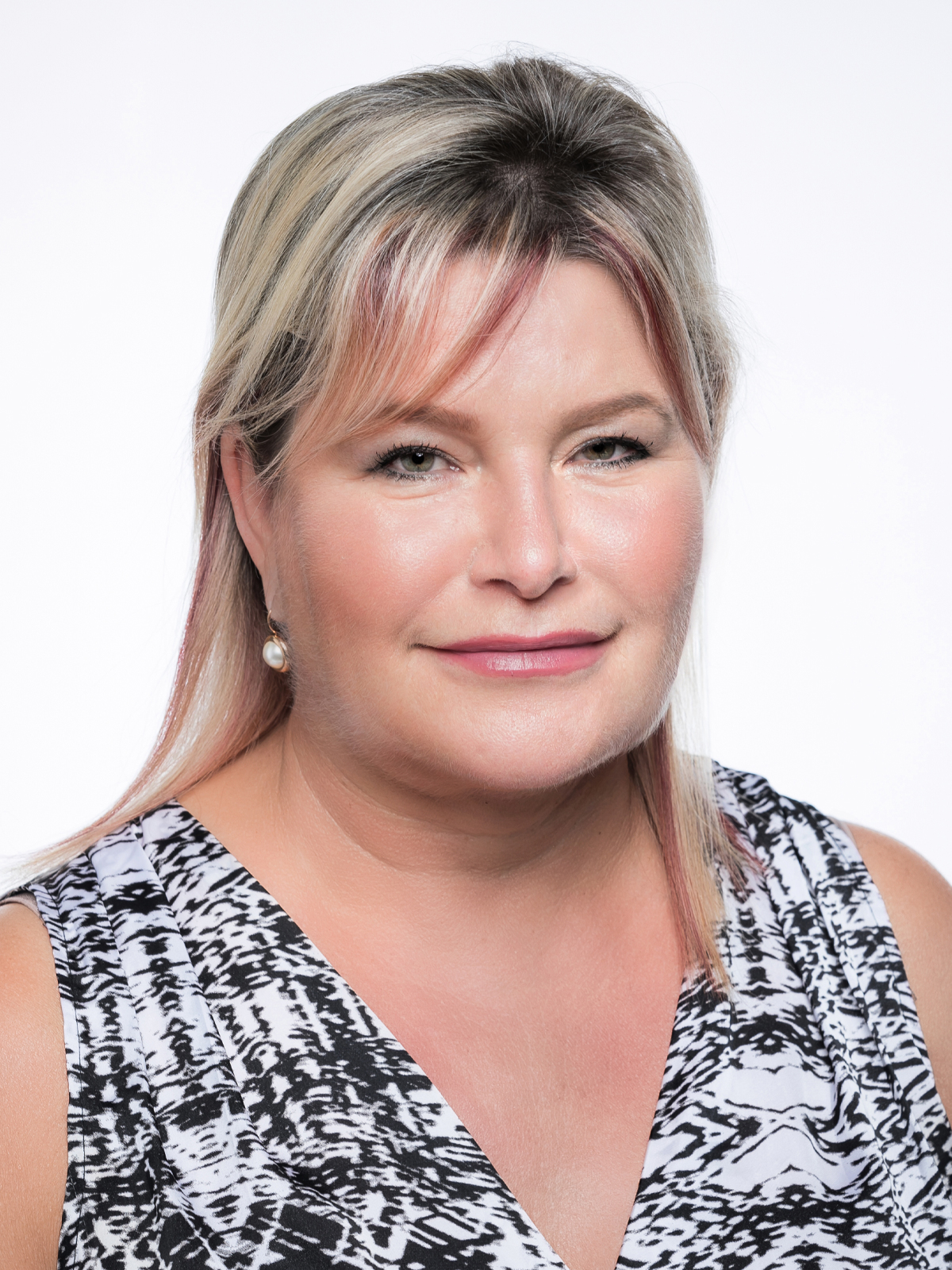


Ursula Maritz
The big themes in markets this year were rising inflation and interest rates. How did you respond in your allocations?
The risk of rising global bond yields was on our radar for a long time for several reasons. Firstly, global bond yields were at multi-decade lows. Secondly, they were expensive both historically and relative to equities. Thirdly, there was little yield compensation to offset any capital loss should yields rise. Our view was that the ending of quantitative easing would trigger the long-awaited bond market correction as opposed to a surge in inflation. As a result, we have been very underweight global bonds for some time. We sold out of these holdings completely in the first quarter but would consider adding back cautiously to nominal global bonds once US core inflation starts to drift down. We have taken advantage of widening global credit spreads recently and have added to our credit strategy. SA bonds remain attractive despite rising local inflation and, as such, we continued to add to our position throughout the year when opportune.
How have some of the major geopolitical events we’ve seen this year influenced your decision making?
The Ukraine war and the subsequent energy crisis was the biggest geopolitical event in a long time. It has changed the narrative from countries focusing on green energy and net-zero emissions to trying to secure energy security in the short term. This has resulted in a pushback against unrealistic ESG constraints within investment strategies, which has increased portfolio flows to this sector. This has played out well for us, as we have had resources as a theme within our funds since 2017 due to attractive valuations and supportive supply-demand dynamics. With the surge in commodity prices in 2021 and in certain commodities such as oil, coal and gas in 2022, the sector has had good performance and has proved to be defensive in current market turmoil. We took some profits early in the year and trimmed tactically as risks around the Chinese property sector developed. Given that China is the biggest consumer of commodities, the geopolitical and economic risks of a changing China is also on our radar. At current valuations, we are comfortable with our current resources exposure and believe that many of the risks around the global growth outlook are priced in. In addition, the acceleration in the shift to green energy will provide a firm underpin to this sector over the long term.
In what ways have markets surprised you this year?
The disconnect between the US 10-year yield and surging inflation, for most of the year. The extreme strength of the US dollar, which has implications both for US company earnings and heavily indebted emerging markets. How resilient US company earnings have been despite increasing risks of a slowdown. The extent of equity market volatility. The seemingly ongoing expectation by the market that the Federal Reserve would pivot when it has made it clear it won’t; they seem to have forgotten the adage ‘don’t fight the Fed’ – on the way up or down.
How did the lessons of 2020 and 2021 help you in 2022?
One big lesson from 2020 was that when the recovery came it was extremely sharp and swift. It once again highlighted the risk of trying to time the market. Staying invested has proven to be the best strategy not only in 2020 but in previous crises as well. Markets do eventually recover and most of the returns are gained in the early stages of the recovery, which one is seldom going to time correctly. So as hard as it can be, stay invested, tilt the portfolio to more defensive strategies and add some alternative assets like commodities and hedge funds rather than disinvesting. Diversification is key in uncertain times and as always market corrections provide great long-term investment opportunities. Generally, the longer one’s investment horizon the more difficult it is to justify waiting to invest and timing the market.
Which asset allocation questions have been most hotly debated this year in your team?
Whether to trim our high resource exposure in the face of growing Chinese property risks given that the valuations and earnings outlook for the sector looked attractive at the time. The disconnect between where the US 10-year yield was trading and surging headline inflation. Currently, the debate is about how deep the recession will be and when do we start buying back offshore equity exposure.
What decisions have you made this year that have had the most impact on your portfolios?
Given rising global risks and how cheap our market looked both historically and relative to other markets, we switched some of our global equities into local equities at the beginning of the year, despite the rand being relatively firm. This has proved to be quite defensive, as our market has outperformed most developed markets. Actively trading our resource exposure. Adding to our overweight local bond exposure which has delivered small but positive returns. Having no exposure to global bonds, preferring local bonds. Actively managing our manager selection by shifting towards high dividend yield strategies and active managers with a trading bias.
What are the most interesting conversations you have had with asset managers this year?
Conversations with BCA around shifting geopolitical trends in particular moving from the era of the Great Moderation into a more unstable multipolar world. A great presentation by Tim Marshall, on how the geography of various countries like Russia, drives their actions. If you understand the geography of a country, you have a framework to understand its actions. The Power of Geography is a great read! A talk on military conflict across the world and how the Ukraine war is the possible start of an era of ongoing wars. The standout line was: ‘We might need to think of ourselves as a pre-war generation as opposed to a post-war generation.’