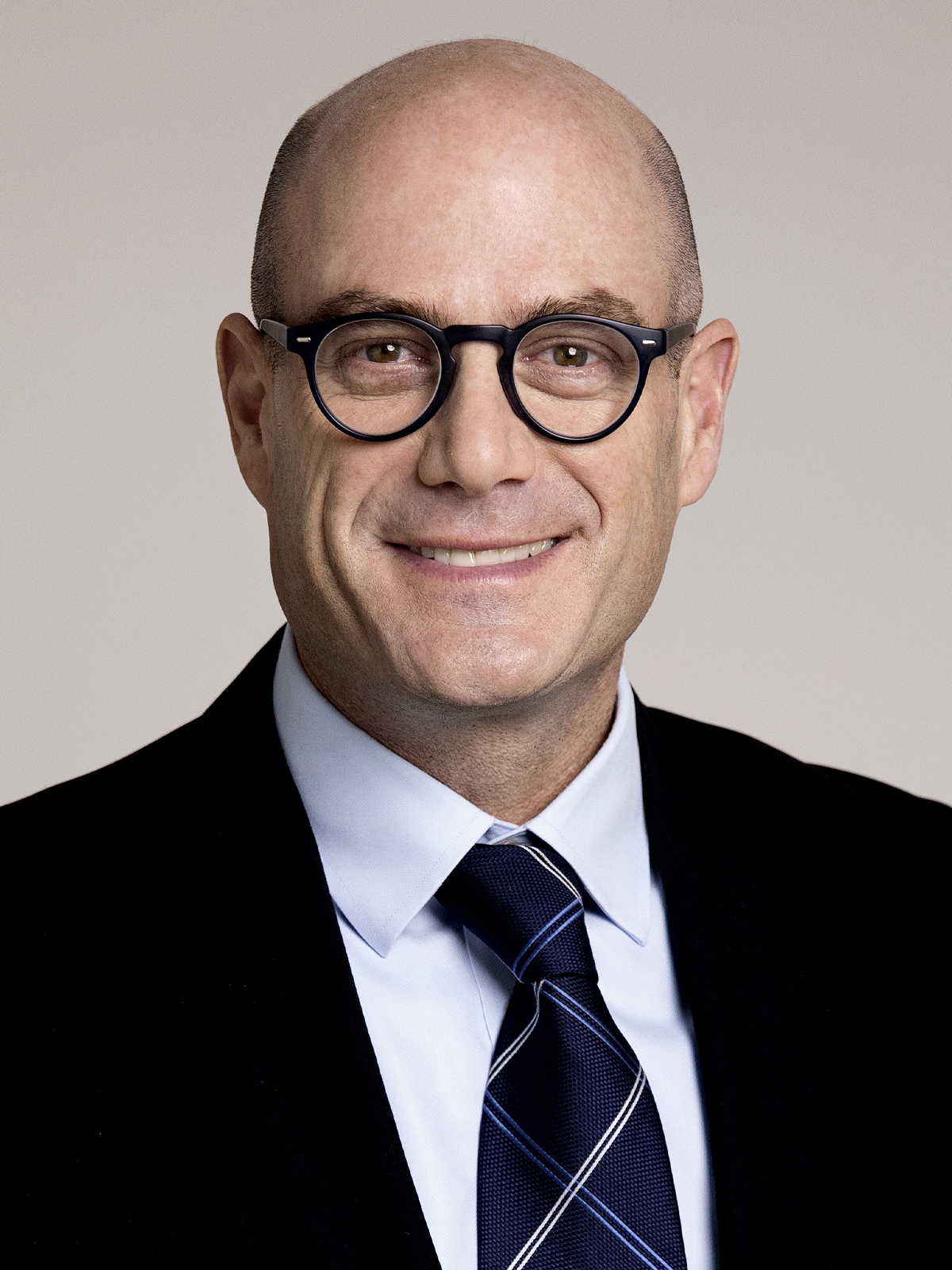


Trevor Garvin
The big themes in markets this year were rising inflation and interest rates. How did you respond in your allocations?
Although we anticipated both themes arising, I think we underestimated the scale, speed and extent of them. We certainly did not foresee inflation going above 10% in most first-world developed economies. When can one last remember South Africa having lower inflation than the US and UK? From a global perspective, we had been positioned for several years in short-duration bonds, expecting the rise in interest rates. Over the last three months we have been slowly increasing duration and buying some longer-dated US government bonds. We feel that when the US 10-year bond hits around 5%, we will move towards our target weights. We reduced exposure to high-yield and corporate bonds, as companies feel the pain of the higher cost of debt, and in all likelihood greater risk of defaults. Domestically, we have been overweight fixed income since March 2020, and we feel that bond yields of around 10% provide a solid return profile.
How have some of the major geopolitical events we’ve seen this year influenced your decision-making?
We certainly have had our hands full of major events this year: Russia’s invasion of Ukraine and rapidly rising energy and oil prices, China’s zero-tolerance stance on Covid, an end to quantitative easing in the US and finally rising global inflation and subsequent rapid rise in interest rates by the developed world’s central banks.
These have all had a major impact on one’s decision-making and asset allocation. In terms of our global holdings, within fixed income we had been materially short duration for the better part of the past 10 years, and finally in the past few months we have been increasing duration. We reduced our exposures to global high yield and credit and increased our exposure to US longer-dated government bonds with longer duration. Due to the volatility in equity markets we have reduced our exposure to cyclical equities and increased exposure to quality stocks with strong cashflows and sustainable earnings. We also increased our Africa exposure marginally (from 2% to 3.5%), where we hold some US dollar-denominated African bonds, providing high income yields.
In what ways have markets surprised you this year?
Without doubt, the massive fall in US and European bonds has been startling. US government bonds are down well over 20% and some UK gilts have fallen by as much as 30% within a 12-month period. That has not been seen for close to 100 years. It will take many years for investors and pension funds who have taken that knock to recover these large capital losses. We did anticipate a weak equity market, but again, the fall in US stocks has been hard given the strength of their economy and low unemployment rate. We feel that there may still be more losses to come as companies start to revise their earnings forecasts downwards for 2023 and consumers start feeling the pinch of rising rates and a higher cost of debt. Fortunately, the South African equity market has held up relatively well, still in positive territory (+4%) over a one-year period. Where the country has taken a hit is on the currency side – with the rand weakening by over 17% against the extremely strong dollar.
How did the lessons of 2020 and 2021 help you in 2022?
A key lesson that we learnt in the past few years is the importance of sticking to one’s investment process and being consistent. This year has been no different. One needs to look at valuations and make asset allocation calls accordingly. It is often when markets are at maximum unease and anxiety that one needs to be increasing one’s risk within the portfolios – the benefits may only be reaped over the following few years as sentiment improves and valuations recover. Again the importance of diversification across styles and asset classes has come to the fore.
Which asset allocation questions have been most hotly debated this year in your team?
Global fixed income took centre stage as we grappled with when was right to increase duration – as well as when to reduce our high-yield exposure. Domestically we debated our equity exposure and whether we should be reducing our exposures given global geopolitical issues as well as a weakening SA economy versus their current valuations. We ended up reducing our overweight position to neutral from a capital preservation perspective. The next key question we feel is when will it be relevant to further turn up the risk levels and take advantage of a world recovering from the high inflation and rising rate environment.
Do you believe that the investment landscape for South African investors is more or less attractive than at the end of 2021?
As things stand, we feel that the SA economy is about to go through a tough time in the next 12 months. Higher interest rates will put the consumer under massive pressure, loadshedding will continue to put a damper on potential economic growth, a slowdown in China’s economy is negative for our commodity exports, higher energy prices and a weak rand also keep pressure on prices and inflation. Notwithstanding that, given that all asset classes have retracted materially, over the next 12 months we feel there will be great opportunities arising from a valuation perspective for fund managers to create real alpha over the next cycle.
What are the most interesting conversations you have had with asset managers this year?
I think what has been fascinating is the wide range of views put forward by different fund managers as to where US interest rates will peak and how quickly, and whether the US would enter a recession, dragging the rest of the world with it. Some fund managers believe rates will peak at 4.5%, inflation will correct itself by mid-2023 and a soft landing will occur – contrasted by some who feel rates will end up above 5%, inflation will linger higher for longer and a recession will be felt across the Western world. This wide range of views is what makes markets challenging and efficient, and results in a wide range of asset allocation decisions being made.