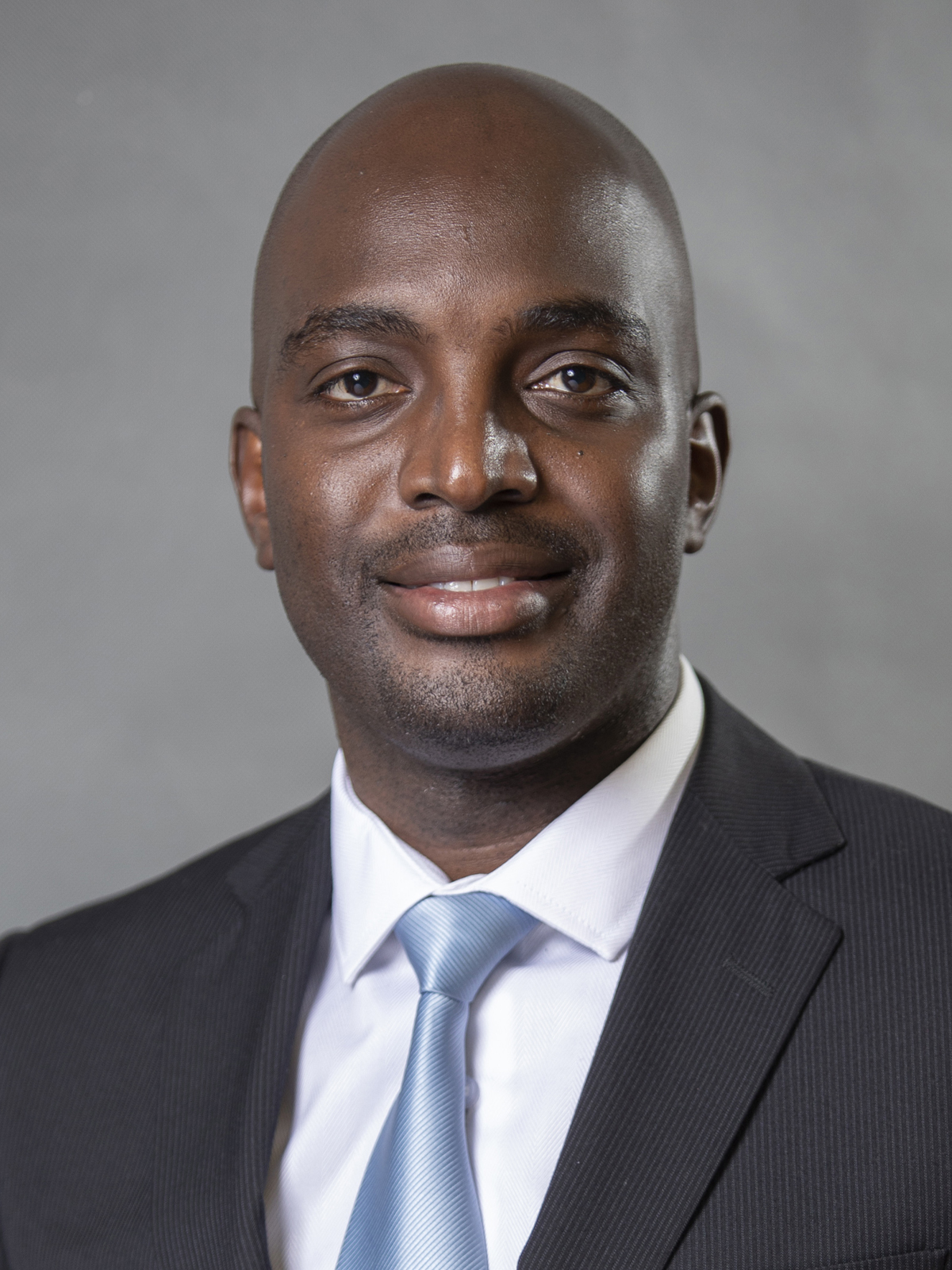


Tawanda Mushore
The big themes in markets this year were rising inflation and interest rates. How did you respond in your allocations?
An idea that stands out on this theme is a structured note linked to US inflation that we added to our global portfolio. The note has full capital protection and benefits from rising inflation by paying out 130% of US inflation over the note period.
While it is useful to gain exposure to assets that benefit from a specific economic or market environment, the volatility linked to rising inflation and interest rates has highlighted the need for a more cautious and balanced approach. We positioned our portfolios more conservatively, down-weighting risk assets and increasing fixed income exposure.
How have some of the major geopolitical events we’ve seen this year influenced your decision making?
It is difficult to predict how geopolitical events impact markets. It is not always the case that geopolitics affects markets, but this year has surely been one in which major geopolitical events have had a pronounced effect. In such an environment of low predictability and high uncertainty, protection of client capital and achievement of long-term investment objectives is top of our minds. This influenced our conservative positioning and focus on quality assets offering long-term value.
In what ways have markets surprised you this year?
While we anticipated a bumpy ride coming into 2022 given soaring inflation, supply chain disruptions and rising interest rates, the extent of the damage in markets with no place to hide has been somewhat surprising. Asset classes like gold and bonds which traditionally are useful in such an environment have not provided the support that you would typically expect. Furthermore, even though we expected US dollar strength this year, the capitulation of some major currencies relative to the dollar has to an extent been surprising.
How did the lessons of 2020 and 2021 help you in 2022?
Volatile markets this year have reinforced the lessons we learnt on the importance of a structured and rigorous investment process. This, mixed with key managerial attributes of patience and flexibility, have been useful this year.
The change in Regulation 28 relaxing global limits required extensive work and patience as we updated our portfolio Strategic Asset Allocation. The team worked tirelessly to understand the optimization problem from different angles, considering currency effects, diversification benefits, different economic and market environments, asset class behaviour and performance in such environments.
The process was rigorous and required patience to ensure no stone was left unturned. On coming up with an optimal strategic asset allocation, we have been flexible enough to move the portfolio to that allocation. The patience worked in that we remained overweight local assets which performed better than global assets over the period.
Which asset allocation questions have been most hotly debated this year in your team?
Undoubtedly with the increased global limits because of the change to Regulation 28, the most hotly debated topic has been on the optimal asset allocation for a South African investor in a balanced fund. While global exposure comes with diversification benefits, the additional currency risk introduces some complexity. We researched, analysed, and debated this topic intensely in the team.
What decisions have you made this year that have had the most impact on your portfolios?
True to our long-term thinking, the most impactful decisions have been long-term strategic positions. However, more specifically this year we added a new fixed income manager that has been a key contributor to performance in a volatile environment. Furthermore, the asset allocation decision to reduce risk assets in portfolios given the volatile environment has added to relative performance.
Do you believe that the investment landscape for South African investors is more or less attractive than at the end of 2021?
Given the increased level of risk to the global economy and markets, the investment case for assets in general including South Africa is negative. Rising interest rates and a larger probability of a recession make the investment landscape less attractive than it was at the end of 2021. However, given how asset prices have moved backwards this year, more attractively valued opportunities exist in the market and we feel these require deeper fundamental research and analysis.
What are the most interesting conversations you have had with asset managers this year?
The changes to Regulation 28 relaxing global exposure limits for South African investors brought about the most interesting conversations we had with South African asset managers. With the investment landscape becoming more global, it has been interesting learning how managers integrate local and global processes for efficient portfolio building. Additionally, this allowed us to focus on how well-resourced local managers are in exploring global markets, how adaptable their processes are, whether they consider hedging to counter the additional currency risk, and how they avoid unintended exposures resulting from increased global exposure.