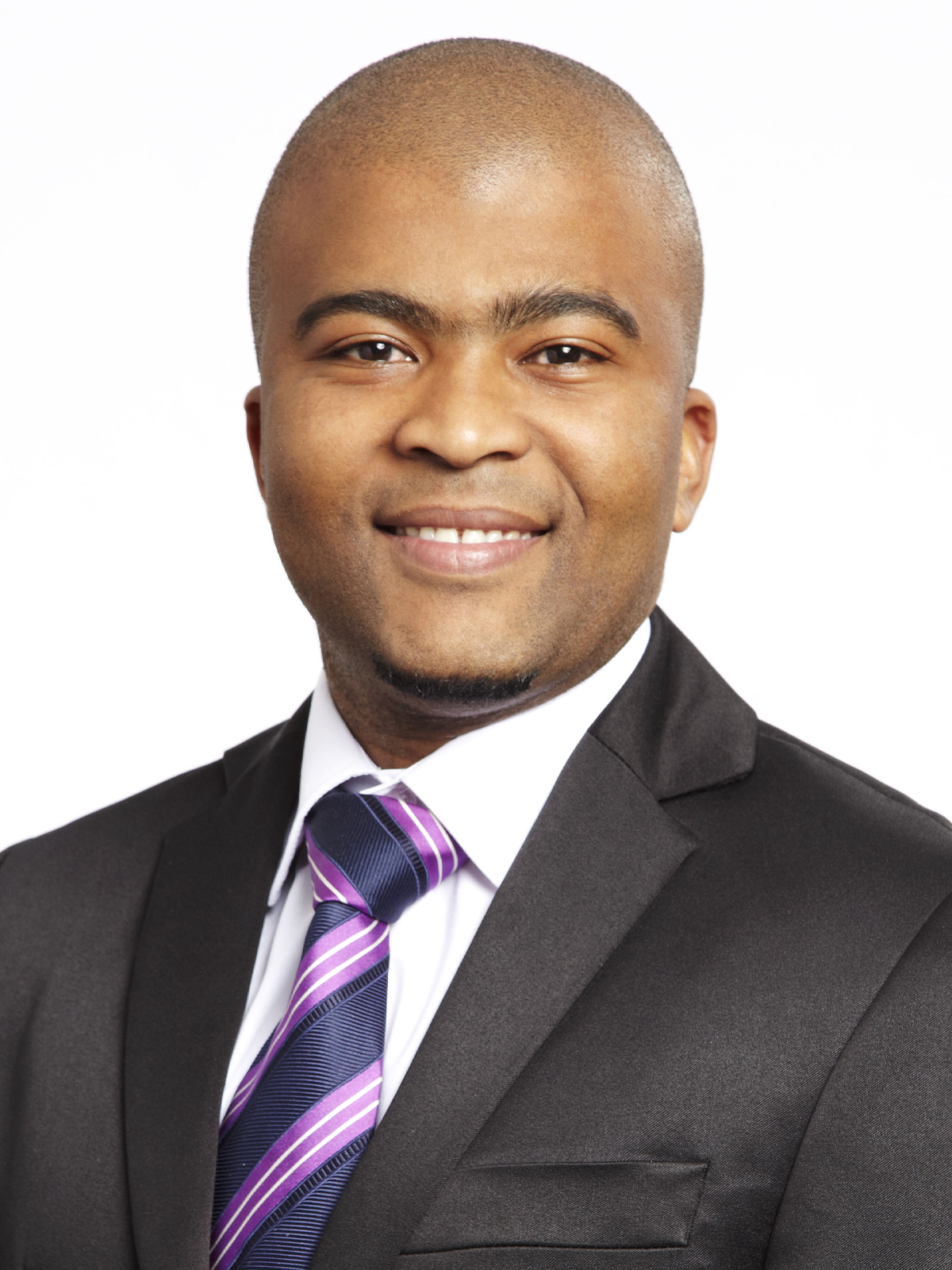


Lebo Thubisi
The big themes in markets this year were rising inflation and interest rates. How did you respond to your allocations?
Many investors and asset allocators are becoming increasingly concerned about the possibility of a recession. From an asset allocation perspective, we felt that a prudent response was to go defensive. There are four ways we have achieved this:
• Offshore/local allocation: we have preferred to remain tilted towards local exposures for two reasons.The first is that we believed local markets lagged relative to the rest of the world and, as a result, would benefit in a reflationary environment. Secondly, we expected SA to benefit from higher commodity prices, bringing about much-needed buoyancy against a tide of global uncertainty.
• Growth asset exposure: we have decreased exposure to traditional growth assets and increased our exposure to absolute return-minded strategies, commonly known as diversified growth funds.
• Global assets: we had an underweight position in global bonds. As inflation began to tick up, we accentuated this underweight. We’ve also had positions in global property and listed infrastructure, which have, to varying degrees, insulated investments from the effects of rising inflation.
• Hedge funds: we have retained our exposures to hedge funds, where appropriate. Since including these allocations, they have played a pivotal role in reducing risk in periods of uncertainty and enhancing the diversification benefits of our overall portfolios.
How have some of the major geopolitical events we’ve seen this year influenced your decision-making?
The enduring lesson has been how hard these events are to predict. We cannot foresee these events, nor eliminate the risks they present, but we can manage them. The benefit of our multi-managed investment approach is that we have the necessary levers to purposefully spread risk and reduce the impact of these prevailing environments.
Our recent actions have demonstrated our commitment to managing risk in line with this process and philosophy. Most of our tactical actions have worked well. Our underlying asset managers have also responded, increasing allocations to commodities, decreasing allocations to developed market equities and increasing allocations to defensive assets such as gold and fixed income instruments.
In what ways have markets surprised you this year?
This year’s most significant market surprise was inflation sentiment being transitory until it was not. This view meant that central banks were not appropriately positioned to deal with the high levels of inflation that we have seen this year. As a result, central bankers have aggressively responded with rate hikes.
One would have expected gold to hold out much better than it has, especially in the face of the worst real rates in a very long time. Furthermore, global asset classes offered investors no place to hide. The extent to which global equities and global bonds have been correlated has been astonishing.
How did the lessons of 2020 and 2021 help you in 2022?
Purposeful diversification is key to successful investment management in fast-moving markets. One of the rewarding lessons has been our allocation to listed and unlisted alternatives. In 2016, we began cautioning our clients about rising economic and political uncertainties globally and the impact this might have on meeting long-term investment objectives.
One way we prepared was by incorporating private market investments and our award-winning hedge funds into the mainstream component of our portfolios, where appropriate.Exposure to these assets have helped build more robust portfolios by adding diversification benefits to traditional portfolios and protecting in down markets. We do not expect these exposures to outperform in every market cycle, but the performance of these additions in the past three years vindicates our decision.
Which asset allocation questions have been most hotly debated this year in your team?
Dollar strength has become very topical in recent months. We expect it to strengthen further following the Fed's rhetoric reaffirming its intention to hike rates to cool the US economy. Risk assets tend to perform poorly in an environment of dollar strength. Navigating this environment remains a key topic.
Do you believe that the investment landscape for South African investors is more or less attractive than at the end of 2021?
Despite the market uncertainty regarding the geopolitical events at play and the elevated risks of an imminent recession, we believe opportunities do exist for SA investors. Equity valuations are trending lower, bond yields are higher, and cash is currently yielding higher returns in the ensuing inflationary environment. However, the inflation we see is a new feature that the markets need to see off before taking any meaningful positions.
What are the most interesting conversations you have had with asset managers this year?
If you type the words diversity or inclusion in Citywire’s search engine, one can see from the results how interesting and topical the subject is both locally and globally.Furthermore, a growing body of evidence shows that simply having diversity indecision-making groups is positively correlated with better financial performance, innovation and credibility. This indicates that diversity is not just a metric to strive for – it is an integral part of a successful revenue-generating and future-fit business. This is true across all industries and financial service sectors, including asset management.
Fund selectors consider traditional qualitative and quantitative metrics when analysing strategies in determining the forward-looking prospects of fund risk-adjusted returns. However, aspects such as the diversity of investment and senior management teams are often overlooked, even though research now suggests that they can lead to better decision-making.
Overall, we believe diversity can be a key source of competitiveness and innovation for any investment team and company looking to deliver better solutions and improved client outcomes in the future.