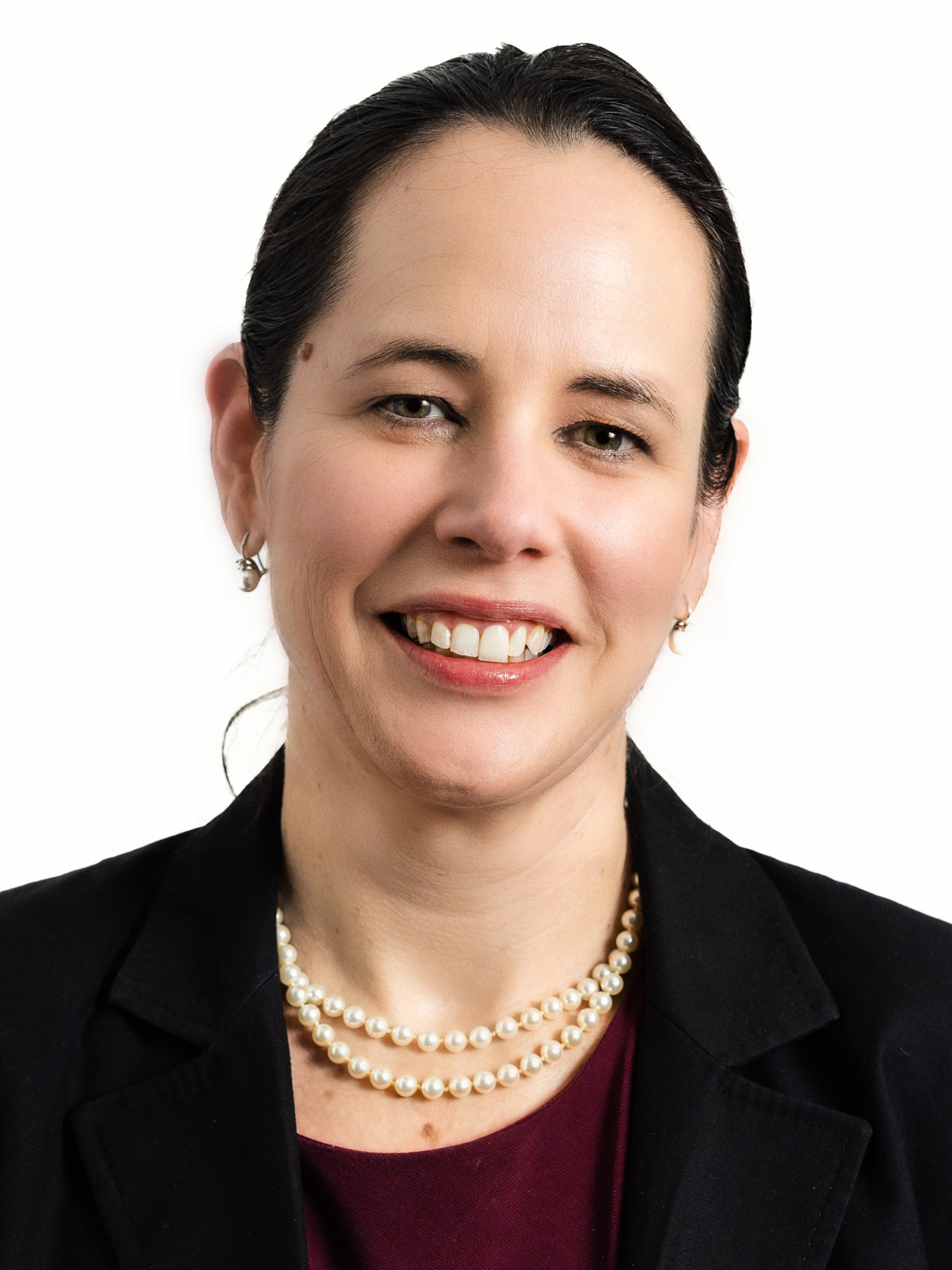


Claire Rentzke
The big themes in markets this year were rising inflation and interest rates. How did you respond in your allocations?
We try to manage risks proactively using scenarios and have been warning our retirement fund clients about the potential consequences of excessive liquidity, quantitative easing and loose monetary policy for years. At some point, these conditions would have to normalise, and we started positioning clients for such outcomes.
As far back as 2013, we started recommending investment into unlisted assets such as infrastructure equity and debt, which have contractual cashflows generally linked to inflation or the Johannesburg interbank average rate. This has helped to protect our clients from rising rates and inflation. We were able to identify many unlisted opportunities and one of our defined contribution retirement fund clients has had more than 15% in unlisted assets for some time now. Some observers couldn’t understand how we could have such a large amount, especially for a defined contribution fund that is close to R40bn in size. This client has been able to weather the storms this year by taking a prospective view rather than a retrospective view regarding risk management.
We also increased our inflation-linked bond exposure for pensioners when real yields were over 4.5% around October 2020.
How have some of the major geopolitical events we’ve seen this year influenced your decision making?
Russia became uninvestible overnight in 2022. The risks we saw in Russia meant that we engaged and differed in view with asset managers on their Russian exposure as far back as the annexation of the Crimea. After years of engaging, some asset managers reduced or sold out their positions, whereas we tended to avoid those managers who did not recognise the risk. This has benefited our clients and given us greater conviction that our engagement with asset managers can have some impact, despite the size of our firm, and protect our clients from unnecessary risks.
Some local retirement funds have strategic allocations to China, but we have spent many years understanding the rise of China with its benefits and risks. We have visited the country and chosen to be more tactical in our allocation to China. We are mindful that China’s rise is also an opportunity but err on the side of caution given the political regime.
Europe has received some criticism for using fossil fuels again but this is understandable given its energy dependence on Russia. The uncertainty in offshore markets has given us increasing conviction to invest locally and to play our part in mobilising capital to help South Africa achieve its just transition targets by scaling up green and impact investments, while seeking commercial returns.
In what ways have markets surprised you this year?
How quickly Russia became uninvestable and Russian stocks were written down to zero. Also, we believed the US Fed was behind the curve, but we did not think that global inflation would reach such high levels in developed countries so quickly.
How did the lessons of 2020 and 2021 help you in 2022?
Understanding the impact of externalities is hard and while we don’t always get it right, we have been considering ESG risks for years.
Introducing flexibility in our clients’ strategies, investing in the real economy in good opportunities and investing for impact in three local blended finance funds (with a built-in downside buffer) prior to 2022, has helped our clients this year.
Which asset allocation questions have been most hotly debated this year in your team?
Regulatory changes have resulted in offshore and local infrastructure allocations being hotly debated internally. We continue to remain interested in select emerging market equity and debt opportunities over the long term but haven’t made allocations as yet.
What decisions have you made this year that have had the most impact on your portfolios?
Typically, the decisions that have had the most impact this year are those made a while ago. Our decision to diversify significantly into local unlisted assets has not only generated a positive ESG impact locally but outperformed a listed benchmark equivalent whether in property, equity or fixed income. Our move to an offshore, flexible, multi-asset portfolio a few years ago back has helped this year as it has been a phenomenal beneficiary of the current market volatility. Around November 2021, we allocated more to local hedge funds, which has helped limit drawdowns year to date.
Do you believe that the investment landscape for South African investors is more or less attractive than at the end of 2021?
With the selloff in 2022, equity valuations are more attractive on a long-term view, especially locally. However, it will be a challenging environment in 2023. There are certainly more headwinds than tailwinds at the moment, but the current environment is also attractive for a disciplined and long-term investor that can stomach some short-term volatility.
What are the most interesting conversations you have had with asset managers this year?
We have sought disclosure from asset managers on diversity, pay gap and other income inequality ratios, broad-based empowerment and lock-in of staff, stockbroker allocations as well as their approach to climate change and social risks in South Africa.
Interestingly, we have spent more time discussing valuations of listed equities such as Russian listed equity, Zimbabwe and Nigerian listed equity relative to the large unlisted positions of our clients. Valuation risk is not something that only applies to unlisted assets.