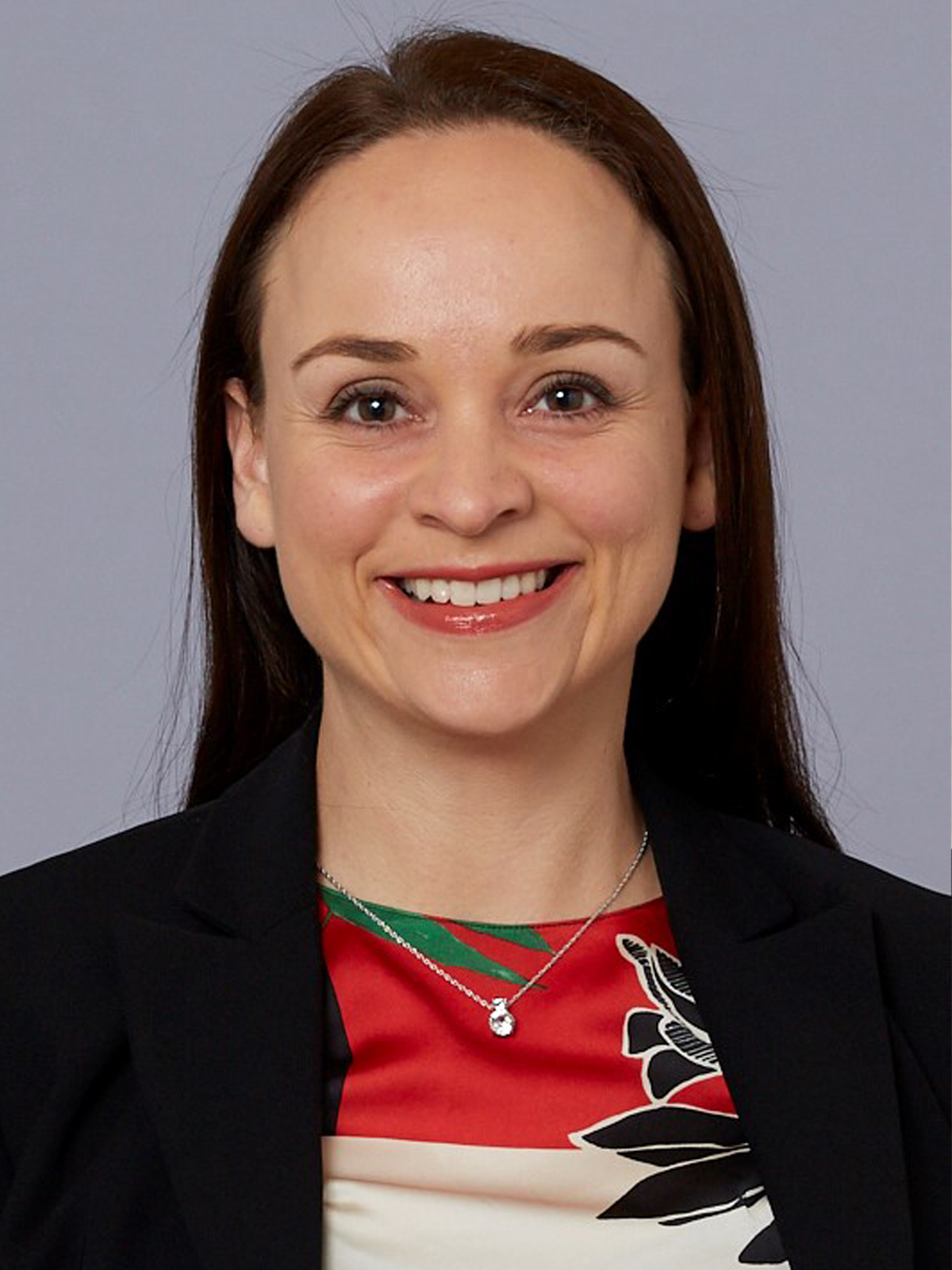


Carla de Waal
The big themes in markets this year were rising inflation and interest rates. How did you respond in your allocations?
Synchronised, sharp hiking cycles by central banks across the globe hurt offshore bonds. However, this also led to more appealing yields. US Treasuries are offering attractive entry points for the long-term investor, with the hard-currency exposure and diversification benefit likely to support local investors’ portfolios; we have adjusted our allocations accordingly.
How have some of the major geopolitical events we’ve seen this year influenced your decision making?
Geopolitical events added to uncertainty and thus promoted a more cautious stance as we needed to be data-dependent while we continue to monitor how the situation developed.
In what ways have markets surprised you this year?
With inflation continuing to surprise on the upside, certain defensive asset classes behaved as volatile as riskier asset classes. Diversification between equities and bonds did not provide the expected benefits in the short term, but that just means we need to extend our patience as we have confidence it will pay off in the long term.
Also, gold has not functioned as the ‘crisis hedge’ it typically does. While it initially rallied after Russia invaded Ukraine, tight macroeconomic conditions and the general decline in commodity prices have led the gold price downwards. Investors have turned to the haven typically associated with the most extreme of crises: the US dollar.
How did the lessons of 2020 and 2021 help you in 2022?
It is crucial to sift out the signals from the noise. Sentiment-driven markets will offer opportunities for the patient investor who can ride out short-term underperformance. Stick to your philosophy and process and don’t be drawn into unnecessary action due to short-term market dislocations, but have the conviction to take advantage of market opportunities when others are most fearful.
Which asset allocation questions have been most hotly debated this year in your team?
Exposure to China remains a hotly debated topic. China is one of the few countries loosening monetary policy, while the rest of the globe is tightening. But China is a riskier allocation, given its dealing with Covid-19 and geopolitical risk that is difficult to quantify.
The value of including offshore bonds in a multi-asset portfolio is also top of mind – for a long period, it could be argued that South African government bonds offered superior value to global bonds. With more compelling offshore bond yields now being offered, and taking into account expected risk-adjusted returns, global bonds now appear to be offering better value, despite considerably higher volatility in these yields than would typically be expected from developed markets.
That said, the timing of increasing offshore is always an important debate.
What decisions have you made this year that have had the most impact on your portfolios?
As long-term investors, the impact of our decisions will likely only have a meaningful impact on our portfolios in time. We are always looking for additional sources of return to complement our portfolios through better diversification; as an example, we have added listed infrastructure in some mandates.
The implementation – how and when – of increased offshore allocations will likely have a notable impact. We prefer to implement decisions gradually, as it is nearly impossible to time it perfectly.
Do you believe that the investment landscape for South African investors is more or less attractive than at the end of 2021?
More attractive. Current valuations influenced by risk aversion are certainly offering attractive opportunities.
With many asset prices falling significantly since the start of 2022, a lot of assets are offering compelling value at far better entry levels than at the end of 2021. On a valuation basis, South Africa equities currently screen well especially compared with US markets, which, despite their selloff, do not look unduly cheap. Our market is offering attractive forward dividend yields and is unlikely to see the full extent of the macro headwinds facing other major international markets. Positive news on structural reforms could be a strong tailwind, but we are also balancing these views against the realities of continued structural issues (for example, loadshedding) plaguing the local economy.
Our local bonds are still offering some of the highest real returns out there.
We acknowledge, though, that market participants will have to grapple with higher volatility for longer, as questions abound around the impact of the aggressive measures taken by central banks to curb stubbornly high inflation. The patient investor that can ignore the short-term noise and stick to their investment discipline is more likely to be well rewarded over time.
What are the most interesting conversations you have had with asset managers this year?
The more interesting conversations this year centred around the optimal allocation to offshore assets. National Treasury increased the foreign allowance for unit trusts in February 2022 to 45%. This could have a material impact on portfolios where the mandate allows the manager to invest offshore. Significantly higher offshore allocations will impact a portfolio’s risk and return profile compared with the past, and its performance compared with peers. It was interesting to discuss with managers if and how they were planning to take up the increased allowance, where applicable.
Managers tended to have different opinions on this, with some seeing more value in local assets at that point, and others opting to take immediate advantage of the increased diversification benefits of a broadened universe.
It requires us as allocators to have a firm view on whether a manager can successfully invest offshore as well, or whether they acknowledge that their skillset might be better suited to assessing local opportunities. We prefer managers to stick to what they’re good at!