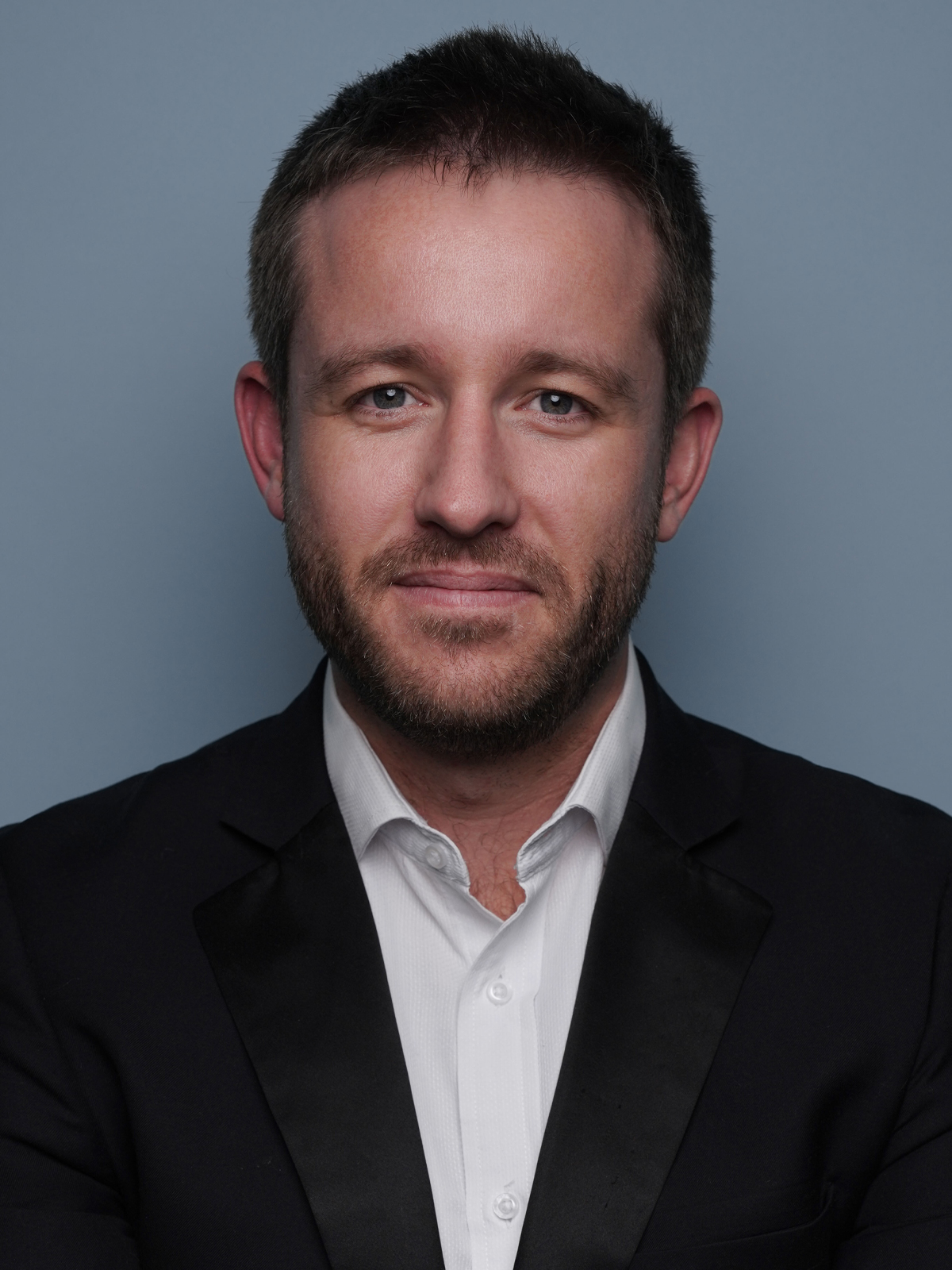


Brendan de Jongh
The big themes in markets this year were rising inflation and interest rates. How did you respond in your allocations?
Irrespective of what the market environment is, we construct portfolios that have resilience no matter the path taken. We are sceptical of a process that relies on superior economic forecasting and getting this right more often than not. This implies that we do not believe that investing according to one single economic environment (and trying to forecast which one will be next) is a sustainable way of investing. If you had waited until we were seeing the high inflation prints coming through this year you probably would have been too late. We started getting concerned about inflation in 2020 and investigated ways of building in protection to portfolios without sacrificing on long-term returns or severely altering expected risk. This included investigating asset classes that generate incomes specifically tied to inflation. We also did a lot of work on real assets and commodities and the various ways of gaining exposure to commodities. The South African (SA) market is generally quite heavily exposed to commodities so an allocation to our market would naturally imply quite a sizeable weight. We did make a large asset allocation move in April this year, but this was not on the back of any assessment of where inflation or interest rates will be in the future. We took advantage of the increased offshore capacity allowed for Regulation 28 portfolios and materially increased our weights across the risk curve but more so at higher-risk portfolios. This was done after a period of quite strong relative outperformance of SA equities and the rand performing relatively well too. However, our decision-making framework was more of a strategic nature than tactical with the driving force being a relaxation of a constraint which provided an opportunity to further diversify portfolios.
How have some of the major geopolitical events we’ve seen this year influenced your decision making?
Geopolitical risks are ever-present and recent events have highlighted just how important an appreciation for this risk is. Generally, I think we are more cautious and sceptical and try our best to more explicitly think through the risks when considering making allocations. If you cannot trust the rules of the game and/or the rules can be materially changed at any given moment you need to build in a risk premium for this uncertainty.
In what ways have markets surprised you this year?
It has been extraordinary to see the devastation of valuations of the parts of the market that are discounting earnings potential far out into the future. A good example of this is looking at a thematic based implementation such as the ARK Innovation fund, which is down over 60% year-to-date (in US dollars). Volatility at a market level has been high but observing it at a single stock level has been extraordinary. That is not the surprising thing, however. What surprises me is the continued proliferation of thematic-based indexes and products looking to replicate them. We now have over 70 times more indices than stocks in the world. This provides great choice but I’m not so sure it’s going to translate to superior outcomes. In fact, I think it is a net negative and gives market participants significantly more opportunity to take concentrated bets that will inevitably blow up in portfolios at some stage. These products can have over 100 underlying stocks but won’t be diversified at all.
How did the lessons of 2020 and 2021 help you in 2022?
Fundamentally seeing the world through a risk lens has translated into us avoiding taking massive bets that can permanently destroy capital. I believe this discipline, which is enshrined in our process, put us in good stead this year and resulted in good decisions made at the right times. Our pursuit of trying to understand exactly what risks we are taking, how much risk is being taken, and attempting to calibrate these risks, has made us more explicit in our risk taking.
Which asset allocation questions have been most hotly debated this year in your team?
Markets continue to be driven by inflation and interest rates. How this translates into asset class performance is fundamental to our portfolios. Decisions and our understanding of asset classes that are perceived to have some inflation protection – such as inflation-linked bonds, real assets and commodities – have been hotly debated. However, the fundamental understanding of these asset classes is one thing. Exploring when to put them into portfolios and if/when to take them out is a completely different topic.
What decisions have you made this year that have had the most impact on your portfolios?
Undoubtedly our most impactful move this year was to significantly increase our offshore exposure for Regulation 28 portfolios. This was done at a time when SA equities had done better than global equities and the rand was at 14.50 to the US dollar. We believe there are fundamentally sound reasons for this long-term allocation, but we are also happy we made it when we did, and we are not needing to weigh up the pros and cons of it now.
Do you believe that the investment landscape for South African investors is more or less attractive than at the end of 2021?
There has been a strong selloff in all asset classes this year. All else equal, this implies that we can buy the same assets at a cheaper price. This must surely translate into improved long term, forward-looking returns at these levels when compared to those at the end of 2021.
What are the most interesting conversations you have had with asset managers this year?
Given the fundamental shift in conditions, it has been interesting to note those managers who are willing – or are able – to adapt rather than trying to do the same thing and hope for a similar result (assuming it has been a good one).