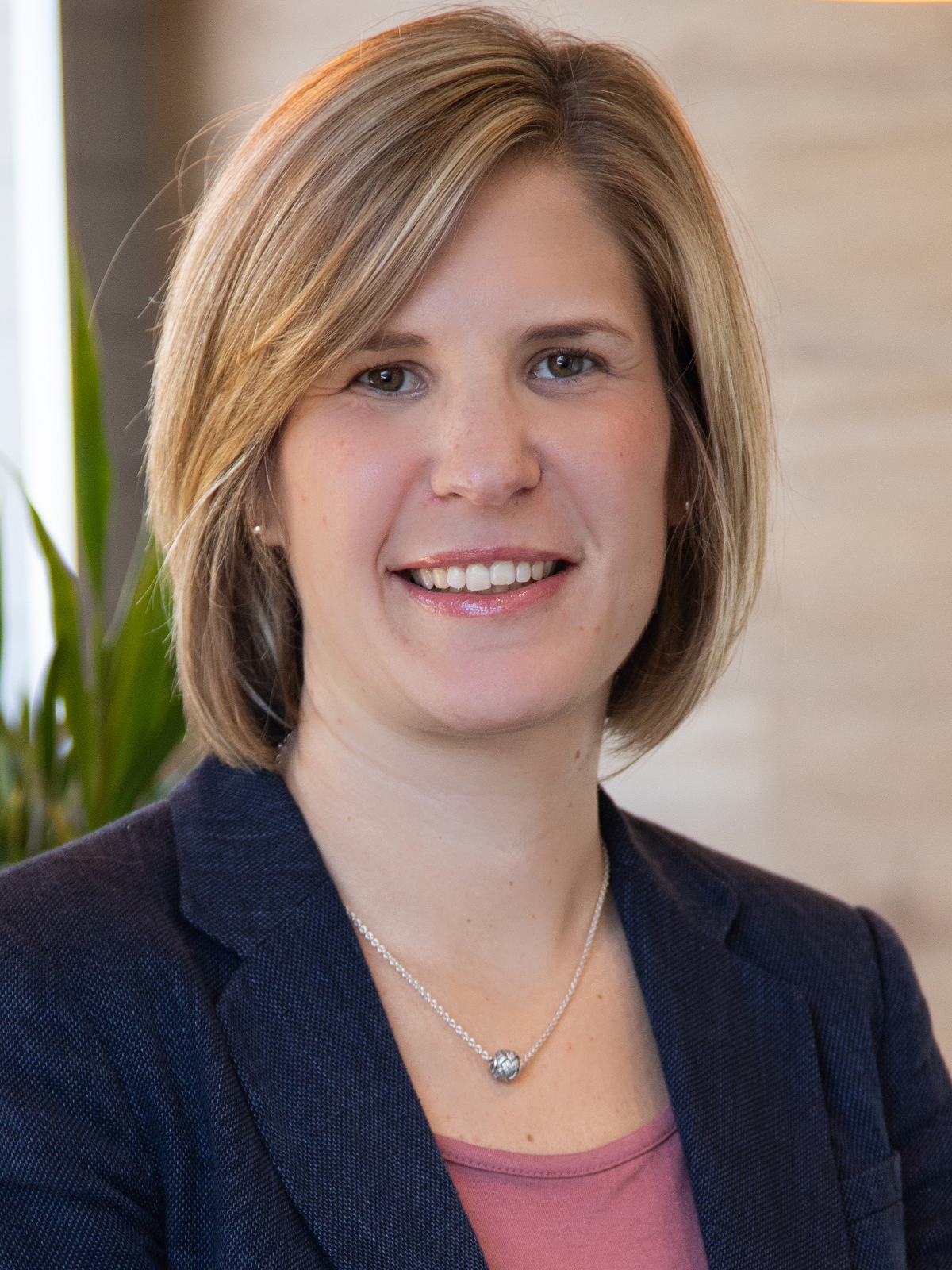


Andriette Theron
The big themes in markets this year were rising inflation and interest rates. How did you respond in your allocations?
We came into the year with the consensus view that global supply constraints should ease, and even with Fed tightening, interest rates would likely remain accommodative and global growth would remain above trend. Of course, global supply chains were further disrupted by the Russian invasion of Ukraine and China’s zero-Covid policy, while inflation has remained stubbornly high.
Consequently, as the year progressed, we became increasingly concerned about the headwinds facing the global economy and that these were not adequately priced into financial assets. In April we moved to an underweight position in global equity and global property and tempered our large overweight position in South African bonds. While we have maintained an SA equity overweight, we have also increased our exposure to local and global cash to further increase the diversification within our portfolios.
How have some of the major geopolitical events we’ve seen this year influenced your decision making?
The events have led to a deterioration in the global economic outlook with the increase in energy prices further fuelling inflationary fears. Given increased uncertainty, we tempered the high-conviction views we held at the start of the year, bringing our portfolios more in line with our long-term strategic asset allocation. We became more cautious in our approach – increasing our exposure to global bonds, and local and global cash, and reducing our exposure to global property and equity.
In what ways have markets surprised you this year?
2022 was a challenging year for investors as global inflation continued to surprise on the upside. We were surprised by the extent to which China and Russia were willing to prioritise politics over domestic economic growth and the impact thereof on global economic stability. Persistent Covid lockdowns in China continued to place significant pressure on supply chains throughout the year while Russia’s invasion of Ukraine placed a big growth tax, in the form of increased energy prices, on Europe. Another phenomenon that we experienced this year, for the first time in over two decades, was a positive correlation between stocks and bonds, leaving few places to hide during the market selloff. This emphasised the important role that cash – despite low real yields on offer – can play in a diversified portfolio.
How did the lessons of 2020 and 2021 help you in 2022?
We’ve experienced very different drivers of portfolio returns in each of the past three years. This again highlighted the benefits of investing in a portfolio that is not only diversified across asset classes but also manager strategies as the asset classes and investment strategies that performed well in 2022 were generally not the winners in 2021.
Which asset allocation questions have been most hotly debated this year in your team?
Given our more constructive view on growth assets at the start of the year, our discussions were initially focused on when to reduce our exposure to global equity and on ensuring the appropriate mix between local and global equities, especially given the simultaneous relaxation of prudential limits to 45% offshore. As the year progressed, the focus shifted towards whether markets have sufficiently priced in the negative outlook, or even priced in too negative an outlook supporting an increase in global equities.
What decisions have you made this year that have had the most impact on your portfolios?
We tend not to make too many changes to our portfolios but rather focus on getting one or two key calls right over time. One of the more fundamental changes that we’ve made this year was to recalibrate our long-term strategic asset allocations to take advantage of the increase in allowable offshore investments. This allowed us to further diversify South Africa-specific risk across our portfolios, having an equal weight in local and global equities at neutral. Other decisions that contributed to performance over the short term included our increased allocation to local and global cash that provided protection and optionality during this volatile period and having meaningful exposure to offshore assets that benefited from the rand’s weakness.
Do you believe that the investment landscape for South African investors is more or less attractive than at the end of 2021?
South African assets continue to offer South African investors a good entry point. We have maintained a positive view on South African bonds and equities throughout this year largely premised on attractive valuations. Trading at a single-digit forward price-to-earnings multiple, the South African equity market is offering significant value relative to its own history, as well as relative to its emerging and developed market peers. The South African bond market continues to offer investors double-digit yields, well in excess of inflation.
What are the most interesting conversations you have had with asset managers this year?
One of the benefits of being a multi-manager is that you engage with a wide range of managers to understand how they view the world and how these views are expressed in the portfolio. At the start of the year, our SA and foreign managers had divergent views around the attractiveness of the South African equity market, with most foreign managers far more cautious on emerging market equities than their SA counterparts. It has also been interesting how most managers have stuck to their asset allocation view through 2022, with few either becoming more defensive or increasing risk into weakness.